Distributed for Reaktion Books

Sex Pistols

Poison in the Machine

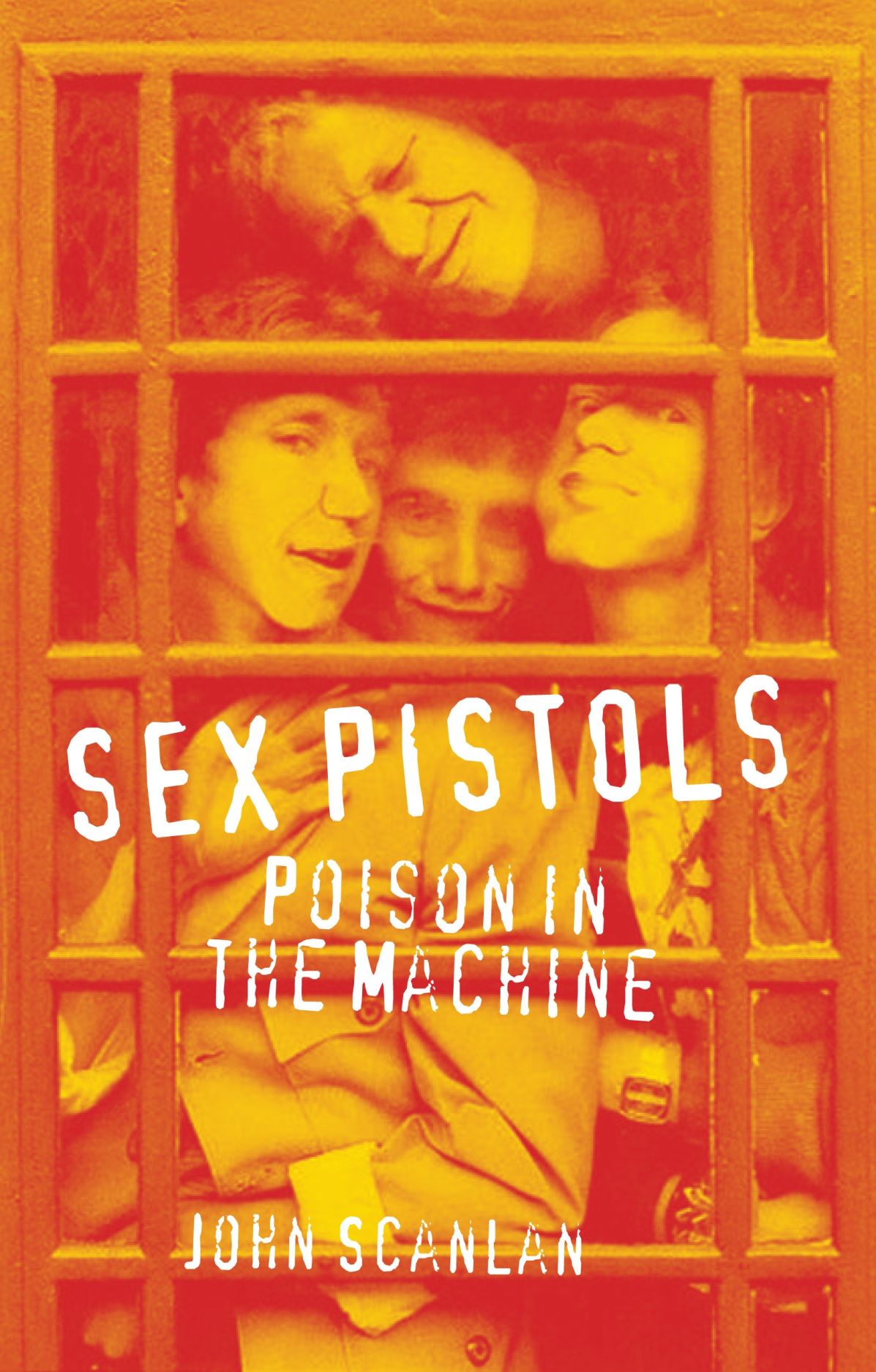
The explosive story of the Sex Pistols is now so familiar that the essence of what they represented has been lost in a fog of nostalgia and rock ’n’ roll cliché. In 1976 the rise of the Sex Pistols was regarded in apocalyptic terms, and the punks as visitors from an unwanted future bringing chaos and confusion. In this book, John Scanlan considers the Sex Pistols as the first successful art project of their manager, Malcolm McLaren, a vision born out of radical politics, boredom, and his deep and unrelenting talent for perverse opportunism. As Scanlan shows, McLaren deliberately set a collision course with establishments, both conservative and counter-cultural, and succeeded beyond his highest expectations.

Scanlan tells the story of how McLaren’s project—designed, in any case, to fail—foundered on the development of the Pistols into a great rock band and the inconvenient artistic emergence of John Lydon. Moving between London and New York, and with a fascinating cast of delinquents, petty criminals, and misfits, Sex Pistols: Poison in the Machine is not just a book about a band, it is about the times, the ideas, the coincidences, and the characters that made punk; that ended with the Sex Pistols—beaten, bloody, and overdosed—sensationally self-destructing on stage in San Francisco in January 1978; and that transformed popular culture throughout the world.
 

240 pages | 45 halftones | 5 1/2 x 8 1/2 | © 2016

Music:


Reaktion Books image

View all books from Reaktion Books

Reviews

Sex Pistols: Poison in the Machine dares to be different. Why? It is not another regurgitation of the history of the Pistols. It aims to place the reader back in the 1960’s & 70’s and explore the Sex Pistols phenomenon as it was experienced in the era that spawned it; one of scant information, sparse news outlets and very little access to the music. It reminds the reader how different the world of today is, where Pistols’ footage, audio and even the Grundy show can be accessed in an instant on the internet. Back in the day, if you didn’t see it yourself, you didn't see it. Importantly, the book helps define how the myth, controversy and enigma of the Sex Pistols was given oxygen by, ironically, this very vacuum."

SexPistols.net

“Sex Pistols is, whether intended or not, a response to the famous boy band critique. It tells the story of the Sex Pistols with an emphasis on manager and provocateur Malcolm McLaren, from his early days to the dissolution of the Pistols. It’s an interesting story alone, but with this new perspective, dimensions are added. . . . It’s a fast read, with clean writing and little editorializing. Scanlan has clearly put a lot of work into the fact checking, with a good chunk of the book dedicated to references. He uses quotes and rare photos to give the reader a sense of the time and place, which is as important to the Sex Pistols as the people involved in their rise. Great book for fans of the band who need a little more ammo in the face of trite dismissals, or punk history buffs alike–this is a fascinating read.”

Dying Scene

“Ambitious. . . . Scanlan, who wrote 2015’s excellent Easy Riders, Rolling Stones, breaks from the intellectual slumming that often smothers the band, repositioning the Pistols as Malcolm McLaren’s anarchic art project that misfired when they kick-started the UK’s punk revolution and made a ‘classic album.’”

Record Collector

“In addition to his impressive historical account, Scanlan threads a variety of analytical considerations into the book, thus endowing it with a sound intellectual basis. For instance, he investigates a broader disparity between reality and perception and delves into the indispensability of cultural memory. Of the former, he writes that ‘this gap between the reality and its representation—so at odds with the world we live in today, where the gap is non-existent—also added to the perception that the Sex Pistols had, by 1977 already entered the realms of myth.’ The author does some important conceptual unpacking for cultural memory as well. He asserts that this memory is embodied by ‘the panoply of media artefacts, material objects and memoirs that feed into various forms of reanimation.’ Examples the author provides of these are film documentaries, commemorative events, and exhibitions. In an embodiment of cultural memory and the reality/perception dichotomy, the author presents the reader with the idea that there were two Sex Pistols: manager Malcolm McLaren’s and frontman John Lydon’s. These two groups were an idea and a musical entity, respectively.”

Rock Music Studies

Table of Contents

Introduction: tales from the near future
  1. I will be so bad
  2. Dolls, crims and rock ‘N’ roll
  3. London and New York
  4. The Bizarro cabaret begins
  5. The new Elizabethans
  6. Bollocks
Afterword: Fables of the sex pistols
References
Select bibliography
Discography
Filmography
Acknowledgements
Photo acknowledgements
Index
 

Be the first to know

Get the latest updates on new releases, special offers, and media highlights when you subscribe to our email lists!

Sign up here for updates about the Press